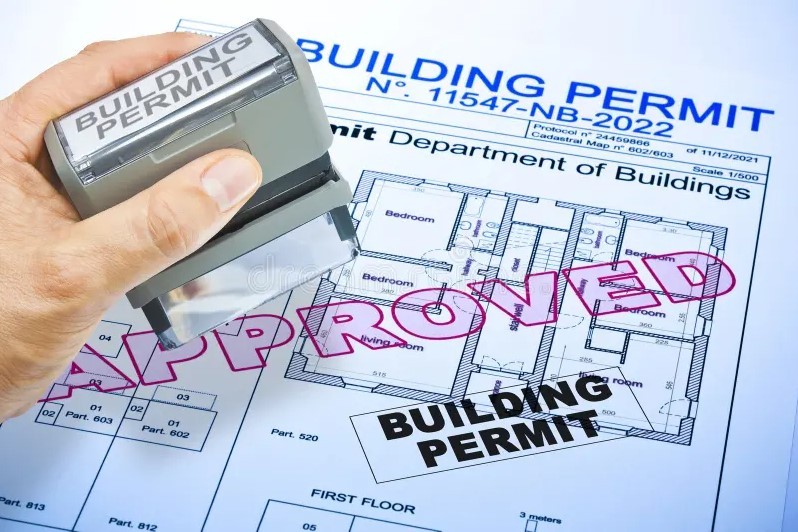
Do I Need an Architect Stamp for My Project?
Industry Insights
•
5 min

Team Evolution
Mar 28, 2025
If you’re planning a remodel, addition, or new construction project, you may have heard someone mention that your drawings need an architect stamp before the city will approve your permit.
This raises a common question for homeowners and builders:
Do I actually need an architect stamp for my project?
The answer depends on several factors, including the type of building, the complexity of the project, and the requirements of your local jurisdiction.
Let’s break down when an architect stamp is required—and when it isn’t.
What Is an Architect Stamp?
An architect stamp (sometimes called a professional seal) is a certification applied to drawings by a licensed architect.
When an architect stamps a set of drawings, they are legally confirming that:
The design complies with applicable building codes
The plans meet professional architectural standards
They take responsibility for the architectural design
This stamp is typically required when a project involves regulated building types or complex architectural design work.
Building departments use the stamp as proof that a licensed professional has reviewed and approved the design.
When an Architect Stamp Is Typically Required
While requirements vary by state and city, architect-stamped drawings are most commonly required for:
Commercial Buildings
Projects involving:
Offices
Retail spaces
Restaurants
Warehouses
Mixed-use developments
Commercial construction usually requires stamped plans because of the larger public safety implications.
Multi-Family Residential Buildings
Buildings with multiple units often require an architect stamp, such as:
Apartment buildings
Condominiums
Large multi-unit developments
These projects involve more complex building systems, fire safety requirements, and accessibility standards.
Large or Complex Structures
Architectural stamps may also be required when projects include:
Unusual structural configurations
High-occupancy buildings
Large public spaces
Complex design elements that impact life safety systems
In these situations, jurisdictions often require both architectural and structural professional review.
When an Architect Stamp Is Often NOT Required
Many residential projects do not require an architect stamp.
For example, typical projects that may be completed with professional drafting services include:
Interior remodels
Kitchen renovations
Basement finishes
Garage conversions
Detached garages
Decks and patios
Small home additions
Many jurisdictions allow homeowners to submit professionally prepared drafting plans without requiring an architect’s seal, as long as the project meets residential code standards.
However, structural engineering stamps may still be required if load-bearing elements are modified.
When a Structural Engineer Stamp Might Be Required Instead
Sometimes the requirement isn’t an architect stamp—it’s a structural engineer stamp.
This often applies when projects involve:
Removing load-bearing walls
Installing structural beams
Foundation changes
Large additions
Significant roof modifications
In these cases, a structural engineer reviews and certifies the load calculations and structural safety of the design.
This is separate from architectural design approval.
Why Many Residential Projects Use Drafting Services
For standard residential projects, homeowners typically need clear, accurate construction drawings rather than a full architectural design package.
Professional drafting services focus on:
Floor plans
Elevations
Construction documentation
Permit-ready drawing sets
These drawings provide the clarity needed for contractors and building departments while keeping the process efficient and cost-effective.
When architectural or engineering stamps are required, drafting teams often coordinate with licensed professionals to incorporate those approvals.
How to Know If Your City Requires Stamped Plans
Because regulations vary widely, the safest way to confirm stamp requirements is to check with your local building department.
Most jurisdictions publish permit submittal checklists that explain:
When architect stamps are required
When engineering review is needed
What documentation must accompany permit applications
Requirements can differ significantly between cities—even within the same state.
For example, cities in California, Texas, Florida, and Utah may all follow the same general building codes, but their permit documentation rules can vary.
Avoiding Permit Delays
One of the most common causes of permit delays is submitting plans that don’t meet the jurisdiction’s documentation requirements.
Problems often occur when:
Structural work isn’t reviewed by an engineer
Required professional seals are missing
Plans are incomplete or unclear
Starting with properly prepared drawings helps prevent these issues and keeps your project moving forward.
Getting the Right Drawings for Your Project
If you're preparing for a remodel, addition, or new residential construction project, the first step is determining what type of drawings your permit application requires.
Professional drafting services can help prepare:
Site plans
Floor plans
Elevations
Construction details
Permit-ready drawing sets
If stamped drawings are required for your specific project, coordination with licensed architects or engineers can be incorporated into the process.
Planning Your Permit Submission
Understanding whether your project requires an architect stamp is an important step in preparing a complete permit application.
If you're unsure what documentation your city requires, starting with a review of your project scope and jurisdiction requirements can help clarify the next steps.
When the drawings are prepared correctly from the beginning, the entire permitting process becomes much smoother.
👉 Request a Quote for Permit-Ready Drawings