Site Plan for Permit: What It Is, When You Need One, and How to Get It Fast
Industry Insights
•
6 min

Team Evolution
Mar 28, 2025
What It Is, When You Need One, and How to Get It Fast
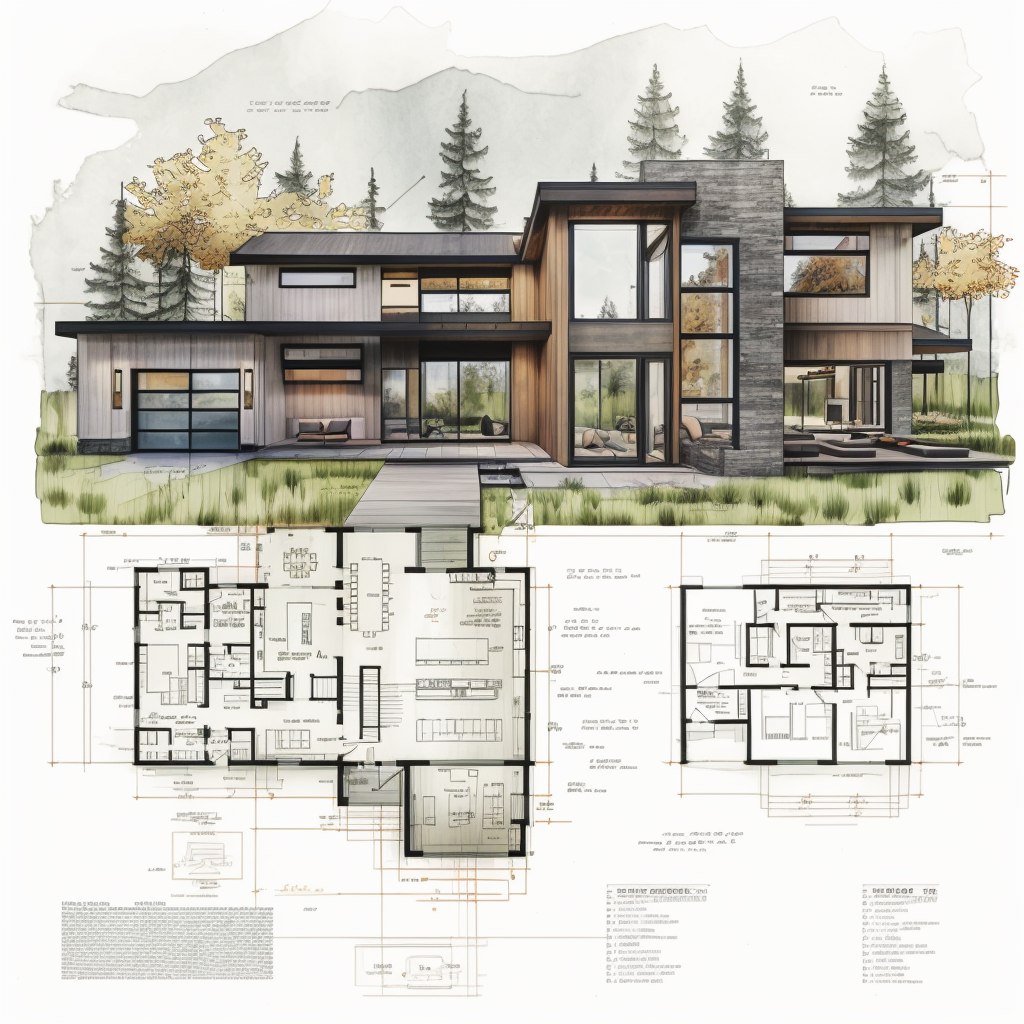
A site plan for permit is a scaled drawing that shows your property, existing structures, and any proposed construction so the city can verify zoning, setbacks, and compliance before issuing a permit.
If you’ve had a permit delayed, rejected, or kicked back with vague comments like “insufficient site documentation,” you’re not alone. Missing or incorrect site plans are one of the most common reasons permits stall.
What Is a Site Plan for a Permit?
A site plan for permit is a detailed drawing that shows:
Property boundaries
Existing buildings
Proposed additions or new construction
Setbacks and zoning distances
Driveways, utilities, easements, and access
It gives the city or county a clear view of how your project fits on the lot.
Who Requires a Site Plan?
Most of the time:
City building departments
County planning offices
HOAs
Zoning boards
Whether you're in California, Florida, Texas, Utah, or nearly any other state, local jurisdictions typically require a permit site plan for structural changes or new construction.
From the city’s perspective, the site plan exists to answer one core question:
“Does this project comply with zoning and safety regulations?”
If they can’t clearly see that from your drawings, your permit gets delayed.
When Do You Need a Site Plan for a Permit?
You typically need a site plan for building permit approval when your project affects the footprint or use of your property.
Common examples include:
Home additions
New construction
ADUs (Accessory Dwelling Units)
Detached garages
Decks and patios
Pools
Sheds (in many jurisdictions)
Commercial tenant improvements
Even projects that feel “minor” can trigger site plan requirements depending on zoning.
If your project changes the structure, property line proximity, or utility access, you likely need a site plan drawing for permit submission.
What Cities Typically Require on a Site Plan
While requirements vary by jurisdiction, most permit site plans must show:
Property lines with dimensions
Setback distances
All existing structures
Proposed construction clearly labeled
Easements
Driveways and access points
Utilities
Parking areas (for some projects)
Zoning references
Some cities require north arrows, scale indicators, lot coverage calculations, or impervious surface percentages.
Requirements vary significantly between municipalities — what passes in Texas may not pass in California, and Utah counties often have their own unique formatting standards.
Submitting a generic or incomplete plan is one of the fastest ways to get a rejection notice.
Why Permits Get Rejected Without a Proper Site Plan
This is where projects get stuck.
The most common rejection reasons include:
Missing or incorrect setback dimensions
Incorrect drawing scale
Zoning violations not identified
Hand-drawn or unofficial diagrams
Outdated or inaccurate property surveys
Proposed construction overlapping easements
Cities review site plans carefully because they directly impact public safety and zoning compliance.
Even small errors can lead to:
Resubmission cycles
Weeks of delay
Contractor schedule disruptions
Additional review fees
A professionally prepared site plan significantly reduces that risk.
Can I Draw My Own Site Plan?
Technically? Sometimes.
Practically? It’s risky.
Some jurisdictions allow homeowners to submit hand-drawn diagrams. However, DIY site plans often fail review because:
Scale isn’t accurate
Setbacks are miscalculated
Easements are overlooked
Required zoning notes are missing
The result is usually a correction notice and resubmission.
By the time you factor in lost time, contractor delays, and re-review fees, professional drafting often ends up being the faster and more cost-effective option.
How Long Does It Take to Get a Site Plan for a Permit?
Most residential site plans can be completed within:
1–2 weeks, depending on:
Project complexity
Existing documentation available
Property survey accuracy
Jurisdiction requirements
Commercial projects or larger developments may take longer due to additional coordination.
If timing is critical (for example, a contractor start date is already scheduled), expedited turnaround may be available depending on scope.
The key is starting before submitting your permit application — not after a rejection.
How Much Does a Site Plan for Permit Cost?
Costs vary based on:
Property size
Project complexity
Survey availability
Local zoning documentation requirements
Residential site plans typically range from several hundred to a few thousand dollars depending on scope.
Projects involving complex zoning, multiple structures, or commercial use will be higher.
It’s important to view site plan drafting as part of your overall permit investment. A properly prepared plan helps prevent delays that can cost far more in lost time and contractor rescheduling.
How Our Site Plan Service Works
We keep the process clear and straightforward.
Step 1: Project Intake
You provide:
Property address
Description of proposed project
Existing survey or plans (if available)
Step 2: Zoning Review
We identify setback requirements, lot coverage rules, and jurisdiction-specific standards.
Step 3: Drafting the Site Plan
We prepare a scaled, compliant site plan drawing for permit submission.
Step 4: Review & Revisions
You review the plan. Minor revisions are incorporated as needed.
Step 5: Final Permit-Ready Submission
You receive a completed site plan ready to submit with your permit application.
If the city requests clarification, we support the revision process.
Our goal is simple: reduce friction in your permit approval process.
Local and National Permit Considerations
Permit requirements vary significantly by city and state.
For example:
California cities often require detailed zoning overlays and impervious surface calculations
Florida jurisdictions frequently emphasize setback accuracy and flood zone considerations
Texas cities may require HOA approvals alongside municipal review
Utah counties often require precise lot coverage percentages
Because site plan standards differ, working with a team experienced in interpreting local permit requirements helps prevent costly missteps.
Ready to Move Forward?
If you need a site plan for permit approval — whether for an addition, ADU, new construction, or commercial tenant improvement — the next step is simple.
Request a Site Plan for Permit Review and we’ll outline exactly what your jurisdiction requires and how quickly we can prepare your drawing.